













Is TRT Safe Long-Term? Benefits, Risks, and Labs
Is TRT safe long-term? For many men in
Tampa and surrounding Florida areas, that one question sits at the center of the decision to start testosterone replacement therapy. Low testosterone can affect energy, mood, body composition, sleep, sexual function, and confidence, but no one wants to trade short-term relief for long-term health problems. The good news is that decades of clinical research and widespread real-world use have established that TRT is safe for long-term use when it is appropriately prescribed, individualized, and medically monitored. The key is understanding both the benefits and the risks, then following a lab-driven protocol that catches issues early. When done responsibly, TRT can support improved energy, mood, muscle mass, bone density, and sexual health, while potential concerns such as cardiovascular risk factors, fertility impact, or hormone-related side effects can be managed with careful dosing and ongoing lab testing. This guide explains what long-term TRT safety really means, which labs matter most, and what responsible medical supervision looks like.

Table of Contents
1. What research says about long-term TRT safety
2. Proven long-term benefits of TRT
3. Potential risks and side effects of long-term TRT
4. Essential lab monitoring for safe long-term TRT
5. How to minimize TRT risks and side effects
6. Medically supervised TRT vs unsupervised use
1. What research says about long-term TRT safety
Direct answer: TRT long-term safety is best supported when therapy is prescribed for true testosterone deficiency, dosing is appropriate, and regular labs and follow-ups are used to manage known risks such as hematocrit elevation, estradiol imbalance, and cardiovascular risk factors.
TRT has decades of clinical use, with safety tied to monitoring
Testosterone therapy is not new. It has been used in medical settings for many decades, with modern protocols increasingly focusing on physiologic dosing and structured monitoring. The question most men are really asking is not only “Is TRT safe long-term?” but “Is TRT safe for me long-term, with my age, my health history, and my risk factors?”
The research landscape includes randomized trials, observational studies, meta-analyses, and large registry-style datasets. These studies differ in patient selection, formulations, dose targets, and monitoring intensity. That matters because safety outcomes look different when therapy is used inappropriately, without baseline evaluation, or without ongoing lab monitoring.
Cardiovascular health and TRT: what the data suggests
Cardiovascular concerns are often the headline risk men worry about, especially if they have a family history of heart disease or they are over 40. The evidence overall suggests that normalizing testosterone in appropriately selected men does not inherently increase cardiovascular events, and in some populations low testosterone itself is associated with higher cardiometabolic risk.
From a practical safety standpoint, clinics that prioritize TRT lab monitoring will also focus on the factors that matter most for long-term cardiovascular outcomes: blood pressure, lipid profile, glucose control, body composition, sleep quality, and inflammation-related risk. When these are assessed and optimized, TRT can fit into a broader strategy for long-term health rather than being a standalone intervention.
In other words, responsible TRT is not “testosterone only.” It is a monitored medical program that tracks how your body responds and how risk factors change over time.
Long-term outcomes: what matters most is the protocol
Long-term patient outcomes depend on three core variables: (1) accurate diagnosis of testosterone deficiency and symptoms, (2) individualized dose and delivery method, and (3) ongoing monitoring with adjustments when needed. Men who stay in a structured program tend to identify and correct issues early, such as elevated hematocrit or sleep apnea symptoms that worsen with weight gain and poor sleep hygiene.
For men in Tampa considering testosterone therapy, the most realistic takeaway is that TRT is not a set-it-and-forget-it medication. The safest long-term approach is to treat it like any long-term therapy in medicine: you measure, you monitor, and you adjust.
2. Proven long-term benefits of TRT
Direct answer: For men with clinically confirmed low testosterone, long-term TRT benefits can include sustained improvements in energy, mood, lean muscle support, fat distribution, bone density, sexual function, and overall quality of life, especially when combined with lifestyle optimization.
Sustained energy and motivation
Men often describe low testosterone as a slow decline rather than a sudden change: less drive, less stamina, and a harder time recovering from work, workouts, and stress. When TRT is properly dosed and monitored, many men report improvements in daytime energy, motivation, and mental “get up and go.”
From an SEO standpoint, this is where many “TRT benefits and risks” searches begin: men want to know whether energy improvements last, or whether they fade. Long-term results are most consistent when the dose is physiologic and labs show stable testosterone levels without wide peaks and troughs.
Body composition support: lean mass, fat distribution, and strength
Testosterone plays a role in muscle protein synthesis and body composition. Over time, low testosterone can contribute to loss of lean mass and increased fat accumulation, especially around the midsection. TRT can support resistance training progress, recovery, and preservation of muscle as men age.
That said, testosterone therapy is not a replacement for training and nutrition. The best long-term outcomes usually happen when men pair TRT with a sustainable program: adequate protein, progressive strength training, daily movement, and consistent sleep. This combination helps reduce cardiometabolic risk factors that also influence long-term TRT safety.
Bone density protection and aging-related resilience
Bone density often declines with age, and low testosterone can contribute to lower bone mineral density in men. Maintaining healthy testosterone levels can support skeletal health, reduce the likelihood of bone loss, and contribute to long-term mobility and resilience.
Mood stability, cognitive function, and stress tolerance
Testosterone interacts with neurotransmitters and can influence mood, confidence, and stress response. Many men seeking testosterone therapy Tampa services are not only looking for physical benefits, but also improved emotional steadiness and mental clarity. When the protocol is stable and labs are monitored, many men report improved mood stability, better focus, and fewer “low days.”
It is important to note that mood is multi-factorial. Sleep quality, alcohol intake, relationship stress, and underlying depression or anxiety can all contribute. A medically supervised program can help identify when symptoms are not solely hormone-related.
Sexual health: libido, erections, and confidence
Sexual health is one of the most common reasons men research “is TRT safe long-term.” Libido and erectile quality are affected by testosterone, vascular health, nerve function, stress levels, and more. TRT may improve libido and sexual satisfaction for men who are testosterone deficient, but the best long-term results also include attention to cardiovascular health, sleep, and any coexisting erectile dysfunction treatments when appropriate.
3. Potential risks and side effects of long-term TRT
Direct answer: The most important long-term risks of TRT are manageable when monitored. They include elevated hematocrit (polycythemia), hormonal imbalance issues (estradiol changes), fertility suppression, acne or hair changes, fluid retention, sleep apnea concerns, and prostate-related monitoring considerations.
Cardiovascular considerations: risk factors vs risk events
When men ask “Does TRT increase heart attack or stroke risk?” they often want a simple yes or no. In practice, it is more helpful to focus on measurable risk factors. TRT can influence blood pressure, lipid profile, and red blood cell parameters. Those changes can be positive, neutral, or negative depending on the person and the protocol.
Long-term safety improves when your provider tracks cardiovascular risk markers and adjusts the plan if trends move in the wrong direction. For example, an elevated hematocrit increases blood viscosity risk, which is why it is a central lab marker in TRT lab monitoring.
Polycythemia (high hematocrit) and why it matters
One of the most common lab-related side effects is increased red blood cell count, reflected in hematocrit and hemoglobin. Mild increases may be acceptable, but higher elevations can increase risk and require action. This is a primary reason unsupervised TRT can become unsafe long-term.
Management may include dose adjustment, changes in injection frequency, addressing dehydration, evaluating for sleep apnea, or other physician-directed interventions. The correct approach depends on your full clinical picture and lab trends over time.
Estradiol balance and hormone-related symptoms
Testosterone can convert to estradiol through aromatization. Estradiol is not “bad” for men, it is essential for bone health, libido, mood, and cardiovascular function. Problems arise when estradiol is too high or too low relative to your physiology. Symptoms can include breast tenderness, mood swings, water retention, or changes in sexual function.
This is why estradiol is part of essential TRT lab monitoring. The goal is not to chase a number in isolation, but to keep levels in an appropriate range while aligning with symptoms and overall health markers.
Fertility impact and testicular function
TRT can suppress the body’s signaling hormones that stimulate natural testosterone production and sperm production, which can reduce fertility during therapy. Men who may want children in the future should discuss fertility preservation options before starting TRT.
In medically supervised care, options may include fertility-focused protocols and monitoring, depending on individual goals and medical history. This is an area where quick, minimally monitored online programs may fall short because fertility goals are not always thoroughly assessed.
Prostate health: monitoring, PSA, and common misconceptions
A common fear is that TRT “causes prostate cancer.” Current medical understanding emphasizes that prostate health monitoring is important, especially as men age, but TRT does not automatically equal prostate cancer. Responsible programs monitor PSA and symptoms, and coordinate care when additional evaluation is needed.
Sleep apnea and sleep quality
Sleep apnea is common in men and often underdiagnosed. TRT may worsen sleep apnea in some men, especially if weight gain occurs or if existing sleep apnea is untreated. Because sleep quality strongly affects testosterone, energy, and cardiometabolic risk, screening for sleep issues is part of good long-term safety management.
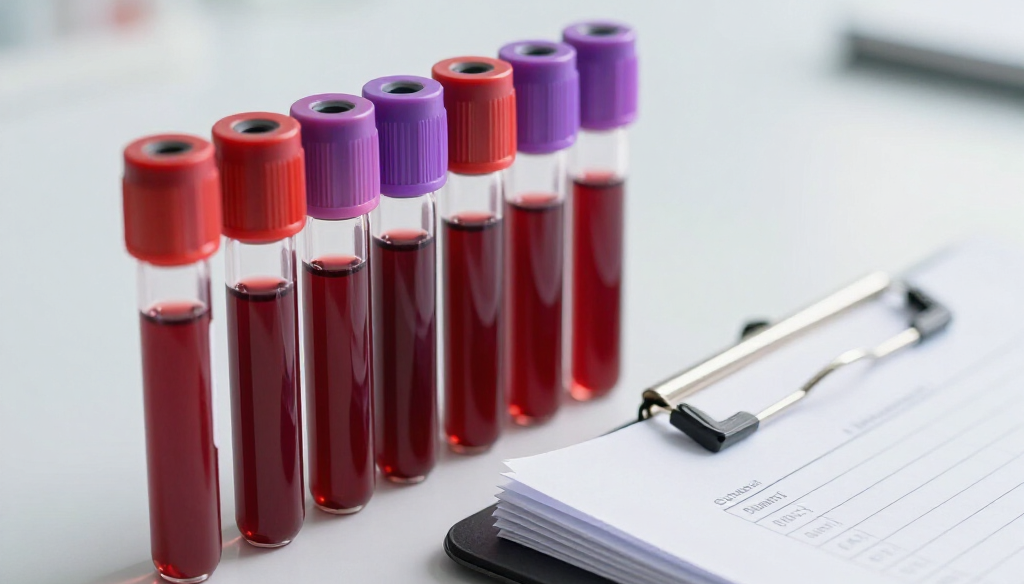
4. Essential lab monitoring for safe long-term TRT
Direct answer: Safe long-term TRT requires baseline labs before treatment, repeat testing around 8 to 12 weeks after starting or changing dose, and ongoing monitoring every 6 to 12 months (or more often when indicated). Core labs typically include total and free testosterone, CBC (hematocrit/hemoglobin), estradiol, PSA (as age-appropriate), lipid panel, and liver function, with additional tests based on your risk profile.
Why lab monitoring is the foundation of TRT long-term safety
“TRT lab monitoring” is not a marketing phrase. It is the practical mechanism that makes TRT safe long-term. Symptoms alone can be misleading. Some side effects develop quietly, such as rising hematocrit or worsening lipids. Labs create an early warning system so your provider can adjust the plan before a small trend becomes a bigger issue.
Core labs and what they help prevent
- Total testosterone: confirms dose response and avoids over-replacement.
- Free testosterone: helps interpret symptoms and bioavailable levels, especially when SHBG is high or low.
- Estradiol (sensitive assay): helps manage estrogen-related symptoms and supports long-term balance.
- CBC (hematocrit/hemoglobin): detects polycythemia risk early.
- PSA (age and risk appropriate): monitors prostate-related trends and supports shared decision-making.
- Lipid panel: monitors cardiovascular risk factors over time.
- Liver function tests: part of general safety monitoring, especially with certain medications or risk factors.
TRT monitoring timeline: baseline, 3-month, 6-month, annual
| Timing | Essential labs | What it monitors for long-term safety |
|---|---|---|
| Baseline (before TRT) | Total T, Free T, CBC, Estradiol, PSA (as appropriate), Lipids, Liver function | Confirms deficiency, identifies risk factors, sets a safe starting point |
| 3 months (8 to 12 weeks) | Total T, Free T, CBC, Estradiol, PSA (as appropriate), Lipids | Checks dose response, catches early hematocrit or estradiol issues |
| 6 months | Total T, Free T, CBC, Estradiol, Lipids, Liver function | Confirms stability, tracks cardiovascular risk markers and trends |
| Annual (or every 6 to 12 months) | Total T, Free T, CBC, Estradiol, PSA (as appropriate), Lipids, Liver function | Long-term trend monitoring, prevention-focused safety management |
How often do you need labs on TRT?
Most men will need labs more frequently early on and then at regular intervals once stable. If a dose changes, symptoms change, or labs show a trend such as rising hematocrit, monitoring may become more frequent. In long-term TRT safety planning, the goal is consistency: predictable testing so trends are not missed.
5. How to minimize TRT risks and side effects
Direct answer: The best way to minimize TRT risks is to use the lowest effective dose, avoid wide hormone swings, follow a consistent lab schedule, and address lifestyle factors that affect cardiovascular health and sleep.
Use individualized dosing and avoid over-replacement
One of the fastest routes to side effects is trying to push testosterone far above physiologic levels. Responsible TRT focuses on restoring healthy levels, not chasing extreme numbers. This approach supports more stable mood, fewer estrogen-related symptoms, and lower risk of hematocrit elevation.
Optimize injection frequency and delivery method for stability
Some men experience peaks and troughs that affect mood, energy, or water retention. A clinician can adjust frequency or delivery method to create a steadier level. Stable levels are often associated with better symptom control and fewer side effects over time.
Address sleep, weight, alcohol, and training to support safety
Long-term health outcomes are shaped by lifestyle. For men in Tampa, a realistic plan includes consistent sleep and screening for sleep apnea, strength training and daily activity, and nutrition that supports healthy blood pressure, glucose control, and lipid trends. Alcohol moderation matters, since heavy intake can worsen sleep and metabolic markers.
Know the early warning signs that should prompt a check-in
Safety is improved when men know what to watch for between lab visits. Examples include new shortness of breath, persistent headaches, unusual swelling, significant mood changes, acne flare-ups, or changes in sleep quality. These do not automatically mean TRT is unsafe, but they do warrant medical review.
6. Medically supervised TRT vs unsupervised use
Direct answer: The main difference is risk management. Medically supervised TRT includes diagnosis, individualized dosing, comprehensive labs, and ongoing adjustments. Unsupervised TRT often lacks baseline evaluation, consistent lab monitoring, and coordinated management of side effects.
Comparison: supervised TRT vs minimal monitoring vs no treatment
| Criteria | Medically supervised TRT | Unsupervised TRT (minimal monitoring) | No treatment (untreated low T) |
|---|---|---|---|
| Long-term safety profile | Best supported with labs, follow-ups, dose adjustments | Higher risk of missed side effects and over-replacement | Risk of ongoing symptoms and associated cardiometabolic risk |
| Lab monitoring frequency | Baseline, 8 to 12 weeks, then 6 to 12 months (or as needed) | Often inconsistent, limited panels, longer gaps | Usually none unless prompted by symptoms |
| Risk management | Active management of hematocrit, estradiol, BP, lipids | Reactive, often symptom-only approach | No TRT-related risks, but low T remains unmanaged |
| Health benefits achieved | High likelihood when deficiency is confirmed and treated | Variable, may be short-lived or offset by side effects | Benefits limited to lifestyle and other interventions |
| Cardiovascular monitoring | Included as part of protocol and lab trends | Often limited or not integrated | Depends on primary care engagement |
| Fertility preservation options | Discussed up front with goal-based planning | Often not addressed until a problem occurs | No TRT suppression, but low T symptoms persist |
| Overall safety and outcomes | Most predictable, protocol-driven outcomes | Higher uncertainty and higher preventable risk | May avoid TRT side effects, but untreated deficiency can impact health |
Why professional management is critical for long-term TRT safety
Long-term TRT safety depends on catching trends early and making small adjustments. This is exactly what structured follow-up visits and comprehensive labs are designed to do. It is also why in-person care with an experienced hormone specialist can be valuable, especially for men with risk factors such as hypertension, elevated cholesterol, sleep apnea, or a strong family history of cardiovascular disease.
7. How men in Tampa should approach TRT decision-making
Direct answer: Men should start with a comprehensive evaluation, confirm true testosterone deficiency with appropriate labs, assess cardiovascular and fertility goals, and choose a clinic that provides consistent lab monitoring and individualized protocols.
Start with the right diagnosis and a full health picture
Symptoms like fatigue, low libido, low mood, or stubborn weight gain can overlap with sleep problems, thyroid issues, depression, medication effects, and metabolic conditions. A proper evaluation helps confirm whether testosterone deficiency is the main driver, a contributor, or not the primary issue.
Why a comprehensive monitoring approach matters
Pure Health & Hormone Center is a Tampa, FL clinic focused on bioidentical hormone replacement therapy (BHRT), testosterone therapy, and integrative wellness. For men considering TRT, the most important safety advantage of working with an experienced clinic is the commitment to comprehensive monitoring and individualized decision-making. This includes baseline labs, follow-up labs at appropriate intervals, and ongoing protocol adjustments to minimize side effects while supporting long-term benefits.
What responsible TRT management typically looks like
- Baseline evaluation and lab confirmation
- Clear discussion of benefits, risks, and alternatives
- Personalized dosing and follow-up plan
- Regular TRT lab monitoring and symptom review
- Adjustments for hematocrit, estradiol balance, and cardiovascular markers
- Lifestyle coaching aligned with long-term health
FAQ: 15 common long-term TRT questions
Is testosterone replacement therapy safe for long-term use?
Yes for most appropriately selected men, as long as TRT is prescribed by a qualified clinician and supported by regular lab monitoring and follow-ups.
What are the long-term benefits of TRT?
Potential benefits include improved energy, mood, libido, body composition support, bone density protection, and better quality of life when testosterone deficiency is present.
What are the risks of staying on TRT for years?
Key risks include elevated hematocrit, hormone balance issues such as estradiol changes, fertility suppression, acne or hair changes, fluid retention, and sleep apnea considerations.
Does TRT increase heart attack or stroke risk?
The best answer depends on your health profile and monitoring. The safest approach is tracking cardiovascular risk factors and labs over time, then adjusting therapy as needed.
Will TRT affect my fertility long-term?
TRT can suppress sperm production during use. If fertility is a priority, discuss preservation and goal-based protocol options before starting.
How often do I need lab work on TRT?
Commonly at baseline, again around 8 to 12 weeks after starting or changing dose, then every 6 to 12 months once stable, or more often if labs require it.
What labs are required for safe TRT monitoring?
Typically total and free testosterone, estradiol (sensitive), CBC for hematocrit and hemoglobin, PSA as appropriate, lipid panel, and liver function tests.
Can TRT cause prostate cancer?
TRT does not automatically cause prostate cancer, but prostate monitoring and PSA tracking are important parts of safe long-term care.
Does TRT increase red blood cell count dangerously?
It can increase hematocrit in some men. This is why CBC monitoring is essential, and dose or protocol adjustments may be needed if levels rise too high.
How do you minimize TRT side effects?
Use individualized dosing, avoid over-replacement, keep consistent labs, and address sleep, weight, blood pressure, and overall cardiovascular health.
Is TRT safe after age 50 or 60?
It can be, but careful evaluation and monitoring become even more important with age and with cardiovascular or prostate-related risk factors.
What happens if I stop TRT after years of use?
Symptoms of low testosterone may return, and natural production may take time to recover. Any plan to stop should be guided by a clinician.
How does Pure Health & Hormone Center monitor TRT safety?
Through baseline evaluation, structured follow-ups, and comprehensive labs that track testosterone levels, estradiol, hematocrit, PSA as appropriate, lipids, and other markers based on your needs.
Are online TRT clinics as safe as in-person care?
Safety depends on how thorough the evaluation, lab monitoring, and follow-up care are. Minimal monitoring increases the chance that side effects go unnoticed.
What makes medically supervised TRT safer than self-administration?
Medical supervision provides diagnosis, individualized dosing, consistent labs, trend-based adjustments, and coordinated risk management for long-term safety.
Conclusion: TRT can be safe long-term with the right plan
For men asking
is TRT safe long-term , the evidence and clinical experience point to a clear conclusion: testosterone replacement therapy is safe for long-term use when it is properly prescribed, individualized, and monitored by qualified medical professionals. The benefits can be meaningful and sustained, including better energy, mood, sexual health, body composition, and bone density support. The potential risks, such as hematocrit elevation, fertility impact, sleep apnea considerations, and hormone imbalances, are not reasons to avoid care. They are reasons to choose a clinic that takes monitoring seriously.
If you are considering testosterone therapy Tampa services, Pure Health & Hormone Center offers a comprehensive approach with personalized protocols, regular lab testing, and ongoing medical supervision designed to maximize benefits and minimize risks over time. To get clear answers based on your labs, symptoms, and goals, schedule a consultation for an expert evaluation and a monitoring plan built around long-term safety.
Medical disclaimer: This article is for educational purposes and is not medical advice. Diagnosis and treatment decisions should be made with a qualified healthcare professional.