









Medical Weight Loss for Women Over 40: What Works Now
Many women notice that what worked for weight loss in their 20s and 30s stops working after 40. It is not just willpower. Shifts in hormones during perimenopause and menopause can change appetite signals, sleep quality, stress resilience, and how the body uses insulin. At the same time, muscle mass naturally declines with age unless you actively preserve it, which can lower resting energy expenditure. Add a demanding schedule, chronic stress, and less recovery time, and it becomes easy to gain weight even when you feel like you are doing the same things you always did. The good news is that 2026 offers more evidence-based options than ever, especially when weight loss is approached medically and personally. With the right lab testing, targeted lifestyle strategy, and, when appropriate, prescription support, women over 40 can lose weight safely and sustainably. This guide explains what works now for women in Tampa, FL and surrounding areas, and why medical supervision can make a meaningful difference.
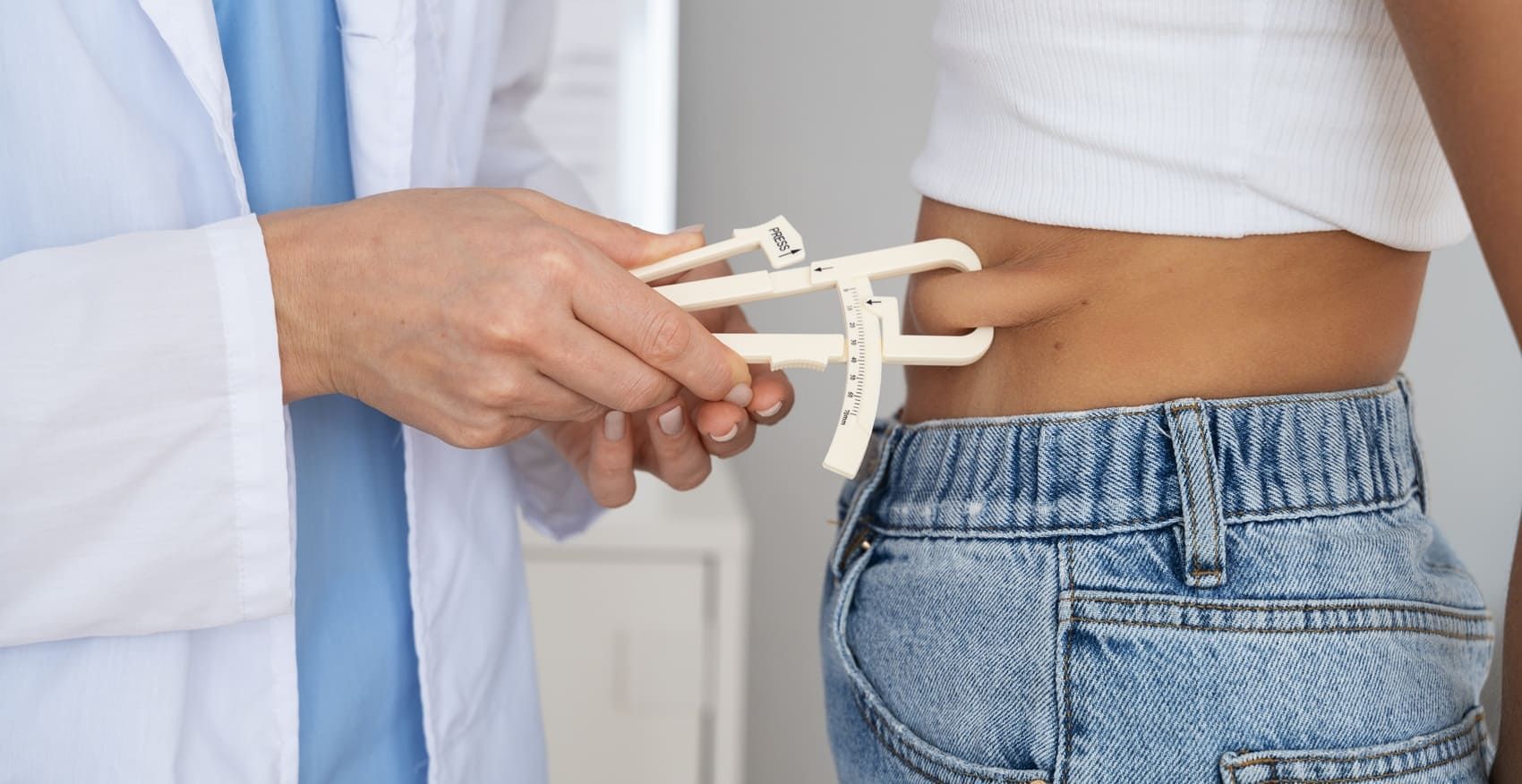
Table of Contents
1. Why Metabolism Changes After Age 40
2. Hormones That Influence Weight After 40
3. Medical Weight Loss Options in 2026
4. Prescription and GLP-1 Therapies When Appropriate
5. Nutrition Strategies for Women Over 40
6. Strength Training and Muscle Preservation
7. Lab Testing and Personalized Treatment Plans
1. Why Metabolism Changes After Age 40
Metabolism is not just one number. It is the combination of resting energy expenditure, activity, digestion, and the hormonal signals that influence hunger and satiety. After 40, several common shifts can make weight loss harder and weight gain easier.
Key drivers of change
- Lower muscle mass over time : Without resistance training, many women lose muscle each decade. Less muscle can mean fewer calories burned at rest.
- Lower daily movement : Busy work and family schedules can reduce overall steps and non-exercise activity.
- Sleep disruption : Perimenopause and stress can reduce sleep quality, increasing hunger hormones and cravings.
- Higher stress load : Chronic stress can influence cortisol, appetite, and fat storage patterns.
| Common change after 40 | How it can show up | Why it matters |
|---|---|---|
| Less muscle | “Same diet, more weight” | Resting energy needs may drop |
| Less sleep | Afternoon crashes, cravings | More hunger signals, less recovery |
| More stress | Belly weight, snacking | Cortisol can shift appetite and habits |
| Insulin resistance risk | Stubborn midsection weight | Harder fat loss, easier fat gain |
For women searching
medical weight loss for women over 40 , it helps to reframe the goal: not extreme restriction, but a plan that protects muscle, supports hormones and metabolic health, and fits real life.
2. Role of Hormones Including Estrogen, Progesterone, Cortisol, and Insulin
Hormones do not “cause” weight gain on their own, but they influence appetite, water retention, sleep, mood, and how the body stores and uses energy. For many women, the after-40 shift is a combination of hormonal change and lifestyle strain.
Estrogen
- Changes during perimenopause can affect sleep, temperature regulation, and body composition.
- Many women notice more central fat storage during the transition years.
Progesterone
- Fluctuations can affect fluid retention and appetite.
- Some women notice cyclical changes in cravings or bloating.
Cortisol
- Chronic stress can increase cravings, disrupt sleep, and reinforce a cycle of fatigue and snacking.
- High stress can make it harder to recover from workouts and harder to stay consistent.
Insulin
- Insulin resistance becomes more common with age, lower muscle, and higher stress.
- When insulin signaling is impaired, hunger and fat storage patterns may shift.
| Hormone factor | Common symptoms | Support focus |
|---|---|---|
| Perimenopause shifts | Sleep disruption, hot flashes, anxiety | Sleep plan, stress support, strength training |
| Higher cortisol load | Cravings, belly weight, fatigue | Recovery, protein, consistent movement |
| Insulin resistance | Energy crashes, stubborn fat loss | Protein and fiber, strength training, medical plan |
If you feel like you have hormone weight gain after 40 , the most productive step is testing and personalization rather than guessing.
3. Medical Weight Loss Options Including Physician Supervised Programs
Medical weight loss is not a single medication. It is a clinical approach that combines evaluation, monitoring, and evidence-based tools to reduce risk and improve outcomes.
What a physician supervised program can include
- Full health history and body composition review
- Lab testing to identify metabolic and hormonal barriers
- Nutrition strategy that prioritizes protein and muscle preservation
- Activity planning that matches recovery capacity and joint health
- Prescription options when appropriate, with monitoring and education
Why supervision matters
- Crash diets can worsen muscle loss, which slows metabolism further.
- Unsupervised supplements can be risky and ineffective.
- Medication, if used, should match your medical profile and goals.
Women looking for weight loss Tampa FL support often do best with a plan that is realistic and sustainable. The best plan is the one you can follow through perimenopause, stress seasons, and life changes.
4. Prescription Treatments and GLP-1 Based Therapies When Appropriate
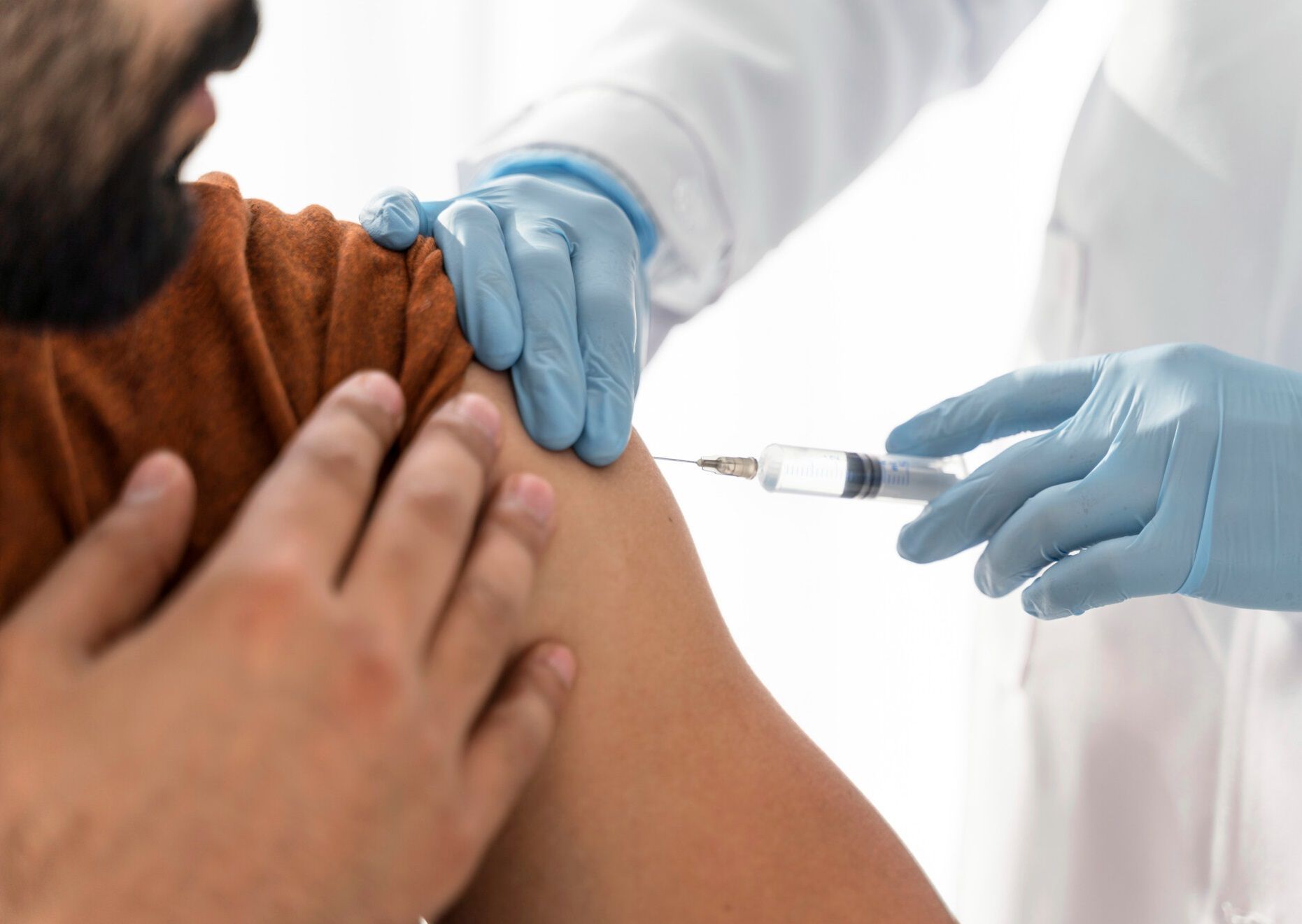
Prescription tools can be highly effective for some women over 40, especially when appetite control, insulin resistance, or metabolic risk factors are present. GLP-1 medications have increased options for patients who need medical support to reduce hunger and improve metabolic markers.
When GLP-1 based therapy may be considered
- Weight-related health risks such as prediabetes, insulin resistance, or elevated cardiometabolic risk
- Repeated failure with lifestyle-only plans despite consistent effort
- Appetite dysregulation, cravings, or binge patterns that interfere with adherence
What to expect with GLP-1 programs
- Education on side effects, hydration, and protein targets
- Regular check-ins for dose adjustments and tolerance
- Support strategies to protect muscle mass and avoid under-eating
For women researching GLP 1 weight loss Tampa , the best outcomes typically come from combining medication support with nutrition structure and strength training. Medication can help create adherence, but lifestyle builds lasting results.
Medical responsibility note : Not every patient is a candidate. A clinician should review contraindications, risks, and appropriate monitoring.

5. Nutrition Strategies Tailored for Women Over 40
After 40, nutrition should do more than reduce calories. It should support muscle, stabilize blood sugar, improve satiety, and fit real life. Many women benefit from a simple structure rather than complicated rules.
Core nutrition principles
- Protein at each meal : Supports satiety and muscle preservation.
- Fiber daily : Improves fullness and supports metabolic health.
- Carbs with purpose : Choose higher-fiber sources and match to activity.
- Consistent hydration : Especially important in Tampa’s heat and for appetite regulation.
| Challenge | Common pattern | Better strategy |
|---|---|---|
| Low protein mornings | Hungry by 11 AM | Protein-forward breakfast and fiber |
| Stress eating at night | Snacks after dinner | Planned protein snack, earlier dinner, sleep routine |
| Weekend reset cycles | Strict weekdays, off-plan weekends | Flexible structure and realistic meal planning |
Perimenopause weight loss nutrition note
In perimenopause, sleep and stress have an outsized impact on appetite and cravings. A plan that protects sleep and reduces decision fatigue often improves adherence more than aggressive restriction.
6. Strength Training and Muscle Preservation for Metabolic Health
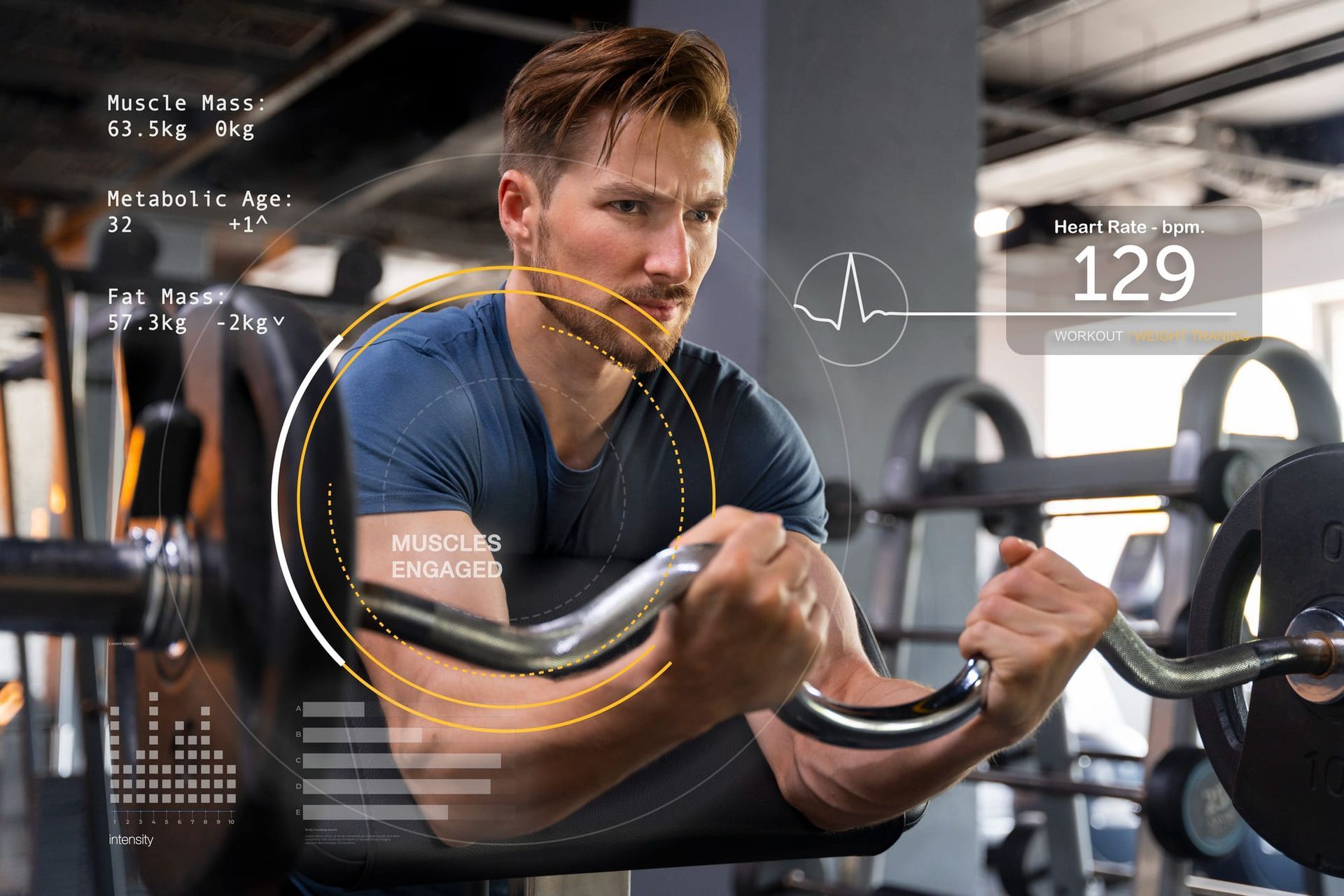
Strength training is one of the most important tools for women over 40. It preserves muscle, supports insulin sensitivity, improves bone density, and can make long-term weight maintenance easier.
Why muscle preservation matters
- Supports resting metabolism
- Improves body composition even when the scale changes slowly
- Helps maintain function and confidence over time
Simple starting framework
- 2 to 3 strength sessions per week
- Focus on major movement patterns: squat, hinge, push, pull, carry
- Add walking or low-impact cardio most days for recovery and consistency
Realistic progress timeline
| Time frame | What improves first | What to watch for |
|---|---|---|
| Weeks 1 to 4 | Energy, habit consistency | Soreness, recovery, sleep |
| Weeks 5 to 12 | Strength, waist measurements | Protein intake, stress eating patterns |
| 3 to 6 months | Body composition and confidence | Plateaus and plan adjustments |
7. Importance of Lab Testing and Personalized Treatment Plans
Weight loss after 40 should not be based on guesses. Lab testing can identify barriers such as insulin resistance, thyroid issues, nutrient deficiencies, or hormone patterns that influence sleep and appetite.
Why testing helps
- Prevents wasted effort on the wrong strategy
- Improves safety if prescriptions are used
- Creates a plan that matches your biology and symptoms
Examples of what may be evaluated
- Metabolic markers such as glucose patterns and lipid health
- Thyroid function where clinically appropriate
- Iron, vitamin D, and other nutrient markers that influence energy
- Hormone context for perimenopause and menopause symptoms
At
Pure Health & Hormone Center, we focus on personalized weight management, hormone optimization, and medically supervised programs designed specifically for women over 40. If you want a plan that feels clear and doable, personalization is the fastest path forward.
FAQ: Medical Weight Loss for Women Over 40 (10 Questions)
Why does weight gain accelerate after 40?
Common reasons include lower muscle mass, sleep disruption, higher stress load, and hormonal shifts that influence appetite and insulin sensitivity.
Is hormone weight gain after 40 real?
Hormonal shifts can influence hunger, cravings, and body composition. Testing and a personalized plan are more effective than guessing.
Does hormone therapy help with weight loss?
Hormone therapy may improve symptoms that affect weight, such as sleep disruption or hot flashes, but it is not a direct weight loss treatment. A clinician should evaluate risks and benefits for your situation.
What works best for perimenopause weight loss?
A plan that prioritizes protein, strength training, sleep, and stress support often works best, with medical tools added when appropriate.
How long does it take to see results?
Many women notice early changes in appetite, energy, or measurements in the first month. Body composition changes commonly build over 3 to 6 months.
Are prescription treatments safe?
They can be safe when medically indicated, screened, and monitored. Safety depends on your medical history and ongoing follow-up.
Are GLP-1 medications appropriate for women over 40?
For some women, yes, especially when metabolic risk factors are present. A clinician must evaluate candidacy and monitoring needs.
What is the best exercise plan after 40?
Strength training 2 to 3 times per week plus daily walking or low-impact cardio is a strong foundation.
What if I plateau even with a good plan?
Plateaus are normal. Review protein, sleep, steps, strength progression, and labs. Adjusting the plan is part of sustainable success.
How do I maintain long-term results?
Maintain muscle, keep a consistent routine, prioritize sleep, and use a plan you can follow year-round, not only for short bursts.
Conclusion and CTA
In 2026, what truly works for women over 40 is a plan that respects physiology. Metabolism changes, hormones shift, stress and sleep matter more than ever, and muscle preservation becomes essential. The most effective path combines protein-forward nutrition, strength training, lifestyle support, and, when appropriate, medically supervised prescription options. If you want sustainable progress, the goal is not perfection. The goal is a personalized system you can repeat through real life.
If you are looking for
medical weight loss for women over 40 and want expert support in
weight loss
Tampa FL,
contact
Pure Health & Hormone Center . We are a trusted
Tampa clinic offering personalized weight management, hormone optimization, and medically supervised programs designed for women over 40.
Schedule a
free consultation to build a
medical weight loss plan tailored to your hormonal health and long-term wellness goals.