












Can TRT Help ED? What Men Should Know Before Starting
If you're a man in the Tampa area dealing with erectile dysfunction, testosterone replacement therapy (TRT) has probably come up in your research, whether from a friend, a forum, or a Google search at 2 a.m. It's a fair question: low testosterone and ED share overlapping symptoms, and TRT is marketed heavily as a fix for both. But the real answer is more nuanced than a simple yes or no, and knowing the details before you start treatment can save you time, money, and frustration.
Pure Health & Hormone Center in Tampa specializes in hormone optimization, testosterone therapy, and men's sexual health, and this is one of the most common questions men bring into a first consultation. This guide breaks down what TRT can and can't do for ED, who's actually a good candidate, and what a responsible, medically supervised approach looks like.
This article is for educational purposes and isn't a substitute for a personalized medical evaluation. Always talk with a licensed healthcare provider before starting or stopping any hormone therapy.

The Connection Between Low Testosterone and ED
Testosterone plays a real role in sexual function, but it's not the only factor, and for many men, it's not even the primary one.
How Testosterone Affects Erectile Function
Testosterone influences libido (sexual desire), supports the health of blood vessels involved in achieving an erection, and plays a role in nitric oxide production, which helps blood vessels relax and fill with blood during arousal. When testosterone levels drop significantly below normal ranges, a man may notice reduced desire, weaker or less frequent erections, and in some cases, difficulty achieving or maintaining an erection at all.
Low T Is One Cause of ED, Not the Only One
Erectile dysfunction has multiple possible causes, and testosterone deficiency is just one of them. Other common contributors include:
- Cardiovascular issues that restrict blood flow
- Diabetes and blood sugar dysregulation
- Chronic stress, anxiety, or depression
- Certain medications (including some blood pressure and antidepressant drugs)
- Lifestyle factors like smoking, excess alcohol use, poor sleep, and lack of exercise
- Relationship or psychological factors
This is exactly why a proper diagnostic workup matters before assuming testosterone is the culprit.
Can TRT Actually Improve ED?
When TRT Is Likely to Help
If bloodwork confirms clinically low testosterone (often referred to as hypogonadism) and a man is also experiencing low libido, fatigue, reduced muscle mass, brain fog, or mood changes alongside ED, testosterone therapy can meaningfully improve erectile function for many men. In these cases, TRT addresses libido and some of the underlying hormonal support for erectile function, which can translate into real improvement in sexual performance and satisfaction.
When TRT Is Unlikely to Help
If a man's testosterone levels are within a normal range, TRT is unlikely to improve ED symptoms and may not be the appropriate treatment path at all. ED caused primarily by vascular issues, diabetes, medication side effects, or psychological factors often requires a different approach, whether that's a PDE5 inhibitor (like sildenafil or tadalafil), lifestyle changes, addressing an underlying medical condition, or a combination of therapies.
Why Lab Testing Comes Before Treatment
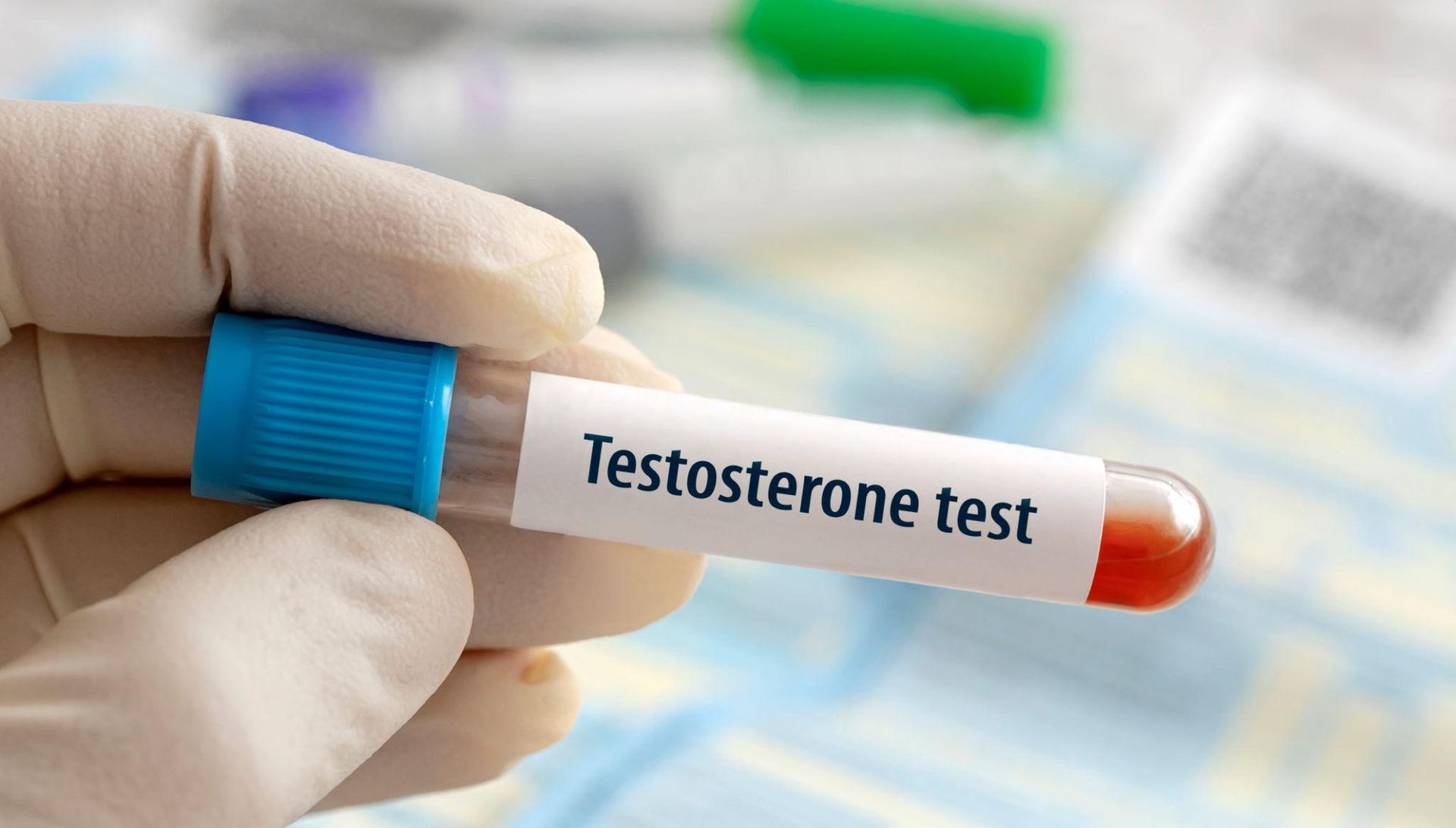
This is the core reason a proper evaluation matters: TRT is a hormone therapy, not a general-purpose ED treatment. Starting testosterone therapy without confirming a genuine deficiency through bloodwork means you may not see the improvement you're hoping for, and you'll be taking on the responsibilities of ongoing hormone therapy without a clear medical reason to do so.
What a Responsible TRT Evaluation Looks Like
Comprehensive Bloodwork
A proper workup typically includes total and free testosterone, along with related markers like estradiol, SHBG (sex hormone-binding globulin), PSA, hematocrit, and sometimes thyroid and metabolic panels. This full picture helps a provider understand whether low testosterone is truly present and rule out other contributing factors to ED.
A Detailed Symptom and Health History
Beyond labs, a thorough consultation should cover your full symptom picture (energy, libido, mood, sleep, muscle mass), current medications, cardiovascular history, and lifestyle factors that could be contributing to ED independent of testosterone levels.
An Individualized Treatment Plan
If TRT is appropriate, treatment should be tailored to your labs and goals, whether that's injectable testosterone, topical options, or other delivery methods, along with a monitoring schedule to track hormone levels and relevant safety markers like hematocrit over time.
What to Expect If You Start TRT for ED-Related Symptoms
Timeline for Results
Libido often improves within a few weeks of starting therapy, while improvements in erectile function, energy, and body composition tend to develop more gradually over several months as hormone levels stabilize.
Ongoing Monitoring Is Essential
Responsible TRT isn't a "start and forget" treatment. Regular follow-up labs help ensure testosterone and estradiol levels stay in a healthy range, monitor for side effects like elevated red blood cell counts, and confirm the treatment plan is still working as intended.
TRT Alone May Not Solve Everything
For men with ED tied to multiple contributing factors, such as low testosterone plus vascular issues, TRT may improve libido and overall hormonal health while still requiring an additional ED-specific treatment to fully restore erectile function. A good provider will discuss whether a combined approach makes sense for your situation.
TRT vs. Other ED Treatment Options: A Quick Comparison
| Factor | TRT | PDE5 Inhibitors (e.g., sildenafil, tadalafil) | Lifestyle & Underlying Condition Management |
|---|---|---|---|
| Best for | Confirmed low testosterone with libido and energy symptoms | On-demand or as-needed erectile support | Vascular, metabolic, or lifestyle-driven ED |
| Effect on libido | Can meaningfully improve | Minimal direct effect | Improves gradually over time |
| Requires lab testing | Yes, essential before starting | Not required, but recommended workup | Often includes labs depending on cause |
| Onset of benefit | Weeks to months | Within hours of use | Weeks to months, cumulative |
| Ongoing monitoring needed | Yes, regular bloodwork | Periodic check-ins | Ongoing lifestyle and medical follow-up |
Frequently Asked Questions
Will TRT cure my ED?
TRT can significantly improve ED if low testosterone is a genuine contributing factor confirmed by bloodwork. If your testosterone is normal, TRT is unlikely to resolve ED on its own, and other causes should be evaluated.
How do I know if my ED is caused by low testosterone?
The only reliable way to know is through comprehensive bloodwork combined with a review of your symptoms and medical history. Testosterone levels alone don't tell the full story, which is why a full evaluation matters.
How long does it take for TRT to improve erectile function?
Libido improvements are often noticed within a few weeks, while erectile function improvements typically develop over one to three months as hormone levels stabilize and the body adjusts.
Can I take TRT and a PDE5 inhibitor together?
Many men use both under medical supervision, especially when ED has multiple contributing causes. Your provider can help determine if combination therapy is appropriate for you.
What are the risks of starting TRT for ED?
Potential risks include elevated hematocrit (red blood cell count), changes in estradiol levels, and fertility considerations. These are manageable with regular lab monitoring and an individualized protocol under proper medical supervision.
Is TRT safe long term?
When medically supervised with regular lab monitoring and an individualized approach, TRT can be a safe long-term therapy for men with confirmed low testosterone. Ongoing monitoring is key to catching and managing any issues early.
Talk to a Provider Before You Decide
Whether TRT can help your ED depends entirely on what's actually driving it, and that's not something you can determine on your own. A proper evaluation, including comprehensive bloodwork and a full review of your health history, is the only way to know if testosterone therapy is the right path or if another approach would serve you better.
Pure Health & Hormone Center in Tampa specializes in personalized hormone optimization, testosterone therapy, and men's sexual health, with an emphasis on thorough diagnostics and individualized treatment plans. Call (813) 333-5335 or visit 5004 S MacDill Ave Unit B, Tampa, FL 33611, to schedule a consultation and find out whether TRT, another treatment, or a combined approach is the right fit for your symptoms.