










What Labs Are Needed for TRT? A Simple Checklist for Tampa Men
Before starting testosterone replacement therapy (TRT), you typically need two early-morning total testosterone tests. You'll usually also need free testosterone and SHBG, LH and FSH, a complete blood count (for hematocrit), PSA if you're over 40, and estradiol. Many providers also check a metabolic panel, lipids, A1c, and thyroid function. Once you start TRT, the key labs are repeated at about 3 to 6 months and then at least once or twice a year to keep treatment safe and effective.
Low energy, fading libido, brain fog, and stubborn weight gain can all point to low testosterone. They can also point to thyroid problems, poor sleep, or other medical issues. That's why proper lab work matters. It confirms whether low T is really the cause, identifies why it's happening, and makes sure TRT is safe for you.
This guide walks through every lab commonly used before and during TRT, with a simple checklist you can bring to your appointment. It's written for men in South Tampa and across the Tampa Bay area who are exploring treatment at Pure Health & Hormone Center or elsewhere.
Why Lab Work Matters Before Starting TRT
Testosterone therapy is a prescription medical treatment, not a supplement. Proper testing serves three purposes:
- Confirming the diagnosis. Symptoms alone aren't enough. Testosterone levels naturally fluctuate, so a diagnosis requires consistently low levels plus symptoms.
- Finding the cause. Low testosterone can start in the testes (primary hypogonadism) or in the pituitary gland or brain (secondary hypogonadism). The cause affects which treatment makes sense.
- Checking safety. Some conditions, like an already-high red blood cell count or an elevated PSA, need attention before testosterone is started.
The Baseline TRT Lab Checklist
Here are the labs most commonly ordered before starting TRT. Your provider may add or skip tests based on your age, symptoms, and history.
| Lab Test | What It Measures | Why It Matters for TRT |
|---|---|---|
| Total testosterone (two morning tests) | All testosterone in your blood | Confirms low T on separate days |
| Free testosterone | Testosterone available for your body to use | Clarifies borderline results |
| SHBG | Protein that binds testosterone | Affects how much testosterone is usable |
| LH and FSH | Pituitary signals to the testes | Shows whether low T is primary or secondary |
| Estradiol | Main form of estrogen in men | Baseline for comparison during therapy |
| CBC (hematocrit and hemoglobin) | Red blood cell levels | TRT can raise red blood cell counts |
| PSA | Prostate-specific antigen | Prostate screening before therapy |
| Prolactin | Pituitary hormone | Checked if LH is low or normal with low T |
| Comprehensive metabolic panel | Liver, kidney, glucose, electrolytes | General health and safety baseline |
| Lipid panel | Cholesterol and triglycerides | Cardiovascular health baseline |
| Hemoglobin A1c | Average blood sugar | Low T is linked with insulin resistance |
| TSH (thyroid) | Thyroid function | Thyroid issues mimic low T symptoms |
1. Total Testosterone, Tested Twice in the Morning
Testosterone peaks in the morning and drops during the day, so blood should be drawn early, ideally before 10 a.m. Major guidelines recommend confirming low testosterone with two separate morning tests on different days, since a single low result can be a one-time dip. The American Urological Association uses a total testosterone below 300 ng/dL as a reasonable cutoff, while the Endocrine Society relies on the lab's reference range.
2. Free Testosterone and SHBG
Most testosterone in your blood is bound to sex hormone-binding globulin (SHBG), which makes it unavailable to your tissues. Free testosterone is the portion your body can actually use. These tests are especially helpful when your total testosterone is borderline, or when you have conditions that change SHBG levels, such as obesity, diabetes, aging, thyroid disorders, or liver disease.
3. LH and FSH
Luteinizing hormone (LH) and follicle-stimulating hormone (FSH) are signals from your pituitary gland that tell your testes to make testosterone and sperm. High LH and FSH with low testosterone point to a problem in the testes. Low or normal LH and FSH with low testosterone point to a pituitary or brain issue, which may need further evaluation
4. Estradiol
Men naturally convert some testosterone into estradiol, a form of estrogen. A baseline level is useful for comparison later, especially if breast tenderness or other symptoms develop during therapy.
5. Complete Blood Count (CBC)
TRT can increase red blood cell production, which raises your hematocrit. If hematocrit gets too high, your blood thickens, which may increase the risk of clots. Guidelines generally advise against starting TRT when hematocrit is already elevated (around 48% to 50%) until the cause is evaluated.
6. PSA (Prostate-Specific Antigen)
Testosterone therapy doesn't appear to cause prostate cancer, but it can stimulate existing prostate tissue. Most guidelines recommend a baseline PSA for men 40 and older, along with prostate screening appropriate for your age and risk.
7. Prolactin
If your testosterone is low and your LH is low or normal, your provider may check prolactin. Elevated prolactin can suppress testosterone and may point to a pituitary issue that needs its own treatment.
8. General Health Labs: CMP, Lipids, A1c, and TSH
These aren't strictly required to diagnose low T, but they give a full picture of your health. Thyroid problems, diabetes, and metabolic issues share many symptoms with low testosterone, and they're often linked. Checking them helps make sure you're treating the right problem.
Other Tests Your Provider May Order
Depending on your situation, your provider may also recommend:
- Semen analysis if you want to have children now or in the future
- Iron studies (ferritin and iron saturation) if secondary hypogonadism is found, to rule out iron overload
- Vitamin D, which is commonly checked in comprehensive wellness panels
- Bone density scan (DXA) for men with very low testosterone or fracture risk
- Pituitary imaging in select cases with very low testosterone or abnormal pituitary hormones
An Important Note on TRT and Fertility
Testosterone therapy usually lowers sperm production. Taking testosterone signals your brain to reduce LH and FSH, which your testes need to make sperm. If you're planning to have children, tell your provider before starting. Alternative treatments or fertility-preserving strategies may be a better fit for you.
How to Prepare for Your TRT Blood Work
A few simple steps help make sure your results are accurate:
- Schedule an early-morning draw, ideally between 7 and 10 a.m.
- Fast if instructed. Fasting is often recommended because eating can temporarily lower testosterone, and fasting results are needed for accurate glucose and lipid readings.
- Sleep well the night before. Poor sleep can lower testosterone.
- Skip intense workouts the day before to avoid skewing results.
- Avoid testing while sick. Acute illness can temporarily lower testosterone.
- Tell your provider about medications and supplements. Opioids, steroids, and some other medications affect testosterone. High-dose biotin can interfere with some lab tests, so ask whether to pause it beforehand.
- Drink water to make the blood draw easier.
Labs You'll Need While on TRT
Starting TRT is just the beginning. Regular monitoring keeps your treatment safe and helps your provider fine-tune your dose.
| Lab Test | When It's Typically Checked | What Your Provider Is Watching For |
|---|---|---|
| Total testosterone | 3–6 months after starting, then at least yearly | Levels in the target range |
| Hematocrit (CBC) | Baseline, 3–6 months, 12 months, then yearly | Hematocrit rising too high |
| PSA | 3–12 months after starting, then per screening guidelines | Significant or rapid increases |
| Estradiol | As needed, often with testosterone checks | Symptoms like breast tenderness |
| Lipids, CMP, A1c | Periodically, often yearly | Overall metabolic health |
Many hormone clinics, including Pure Health & Hormone Center, check blood work two to four times per year. This is especially common during the first year, while your dose is being adjusted.
Timing Your Testosterone Test Based on Your Treatment
When your blood is drawn relative to your dose affects the result. Your provider will tell you exactly when to test, but here's how it generally works:
| TRT Delivery Method | When Testosterone Is Usually Measured |
|---|---|
| Weekly injections | Often midway between injections or right before the next dose, as directed |
| Testosterone gels | Several hours after application, once treatment is stable |
| Pellets | Near the end of the dosing interval, before new pellets are placed |
What Happens If Hematocrit Gets Too High?
If your hematocrit rises above safe limits, your provider may lower your dose, change how often you take it, switch delivery methods, or temporarily pause therapy. Pure Health & Hormone Center may ask patients with a hematocrit above 50% to donate blood. Guidelines generally recommend stopping therapy until levels come down if hematocrit exceeds 54%.
What Happens If PSA Rises?
A small PSA increase is common after starting testosterone. A larger or rapid rise may lead your provider to refer you to a urologist for further evaluation.

What Does the TRT Testing Process Look Like at Pure Health & Hormone Center?
Pure Health & Hormone Center in South Tampa follows a simple, step-by-step process:
- Request a consultation. Start with a complimentary consult to discuss your symptoms and goals.
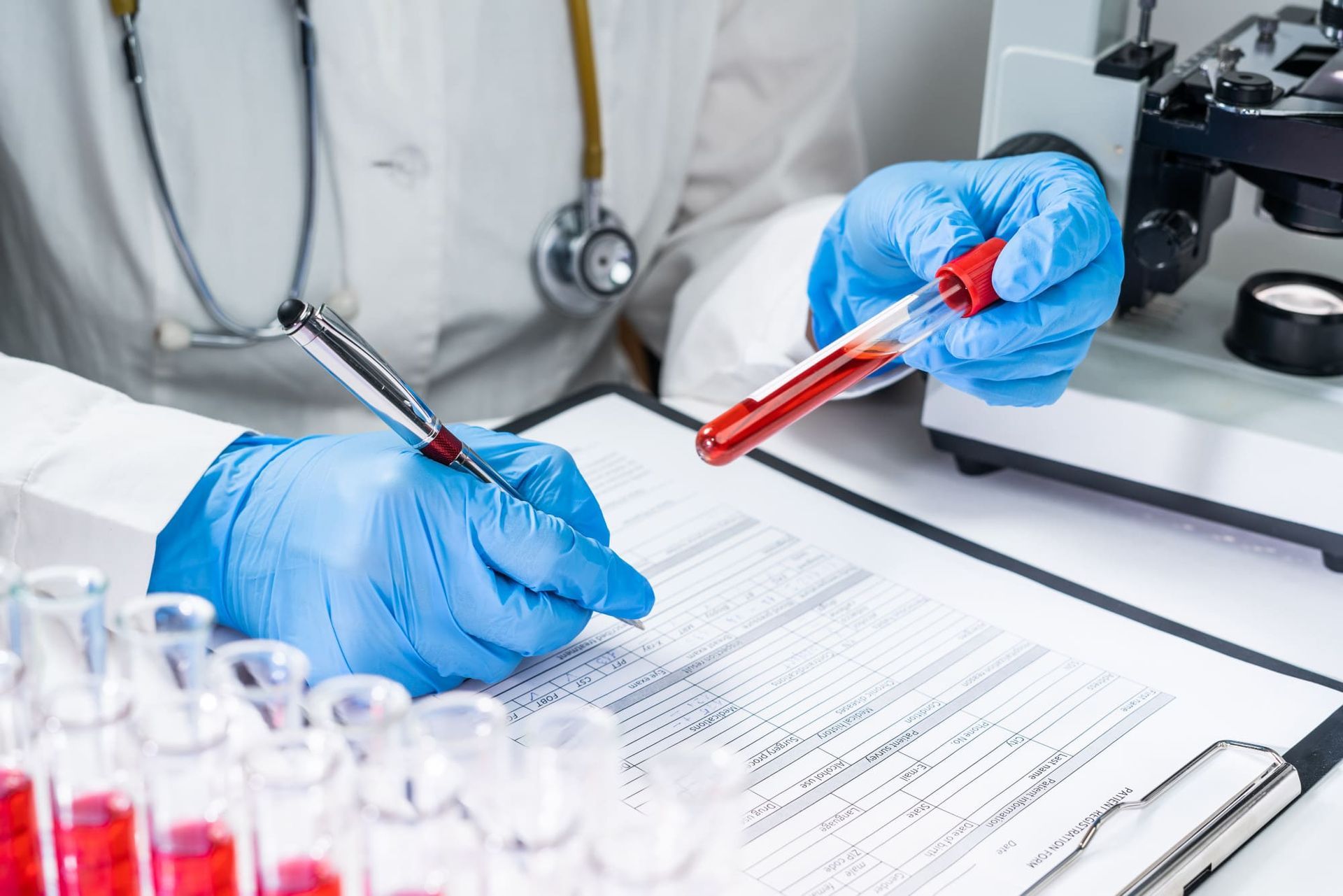
- Diagnostic blood testing. Complete your baseline labs through LabCorp or Quest Diagnostics, the clinic's lab partners.
- Provider review and physical. Meet with your provider in person to review your results, complete a physical exam, and build a personalized plan.
- Start treatment. Medications are shipped directly to you or sent to your local pharmacy.
From the first consultation to starting treatment usually takes about two to three weeks, depending on how quickly the labs are processed. After your first in-person visit, follow-up checkups can often be done through telemedicine.
Do Insurance Plans Cover TRT Labs?
Coverage varies by plan. Many insurance plans cover diagnostic blood work when it's medically indicated. Pure Health & Hormone Center accepts insurance for labs and allergy testing, but not for treatment plans. The clinic also accepts CareCredit, HSA, and FSA payments. Check with your insurance company for details on your specific coverage.
Why Tampa Men Choose Pure Health & Hormone Center
Pure Health & Hormone Center brings 30 years of combined healthcare experience and has seen more than 10,000 patients. The clinic specializes in hormone optimization and takes a personalized, integrative approach. That means more time with your provider, thorough assessments, and treatment plans built around your labs, symptoms, and goals.
Testosterone therapy at the clinic is supervised by experienced healthcare professionals, with regular lab monitoring built into every plan. You can choose from weekly injections or pellets. The clinic also offers
thyroid and adrenal management,
medical weight loss, ED treatment, and
concierge medicine, which helps when your symptoms have more than one cause.
Frequently Asked Questions About TRT Labs
What labs are needed before starting TRT?
Most providers order two morning total testosterone tests, free testosterone, SHBG, LH, FSH, estradiol, a CBC, and PSA for men 40 and older. Many also check a metabolic panel, lipids, A1c, and thyroid function.
Why do I need two testosterone tests?
Testosterone levels fluctuate from day to day. Major guidelines recommend confirming low testosterone on two separate mornings to avoid a misdiagnosis based on a single low reading.
What testosterone level qualifies for TRT?
The American Urological Association uses a total testosterone below 300 ng/dL as a general cutoff, along with symptoms. Your provider will consider your full lab picture, symptoms, and health history.
Do I need to fast before TRT blood work?
Often, yes. Fasting helps produce accurate glucose and lipid results, and eating can temporarily lower testosterone. Follow your provider's specific instructions.
How often do I need blood work on TRT?
Labs are typically checked at about 3 to 6 months after starting and then at least once a year. Many clinics test two to four times a year, especially in the first year.
Does TRT affect fertility?
Yes. Testosterone therapy usually lowers sperm production. If you want children now or in the future, talk with your provider before starting TRT.
Can I get TRT without blood work?
No reputable provider should prescribe testosterone without lab testing. Blood work is essential to confirm the diagnosis and keep treatment safe.
Start Your TRT Journey With the Right Labs
The right lab work is the foundation of safe, effective testosterone therapy. Before starting, you'll typically need two morning testosterone tests and free testosterone with SHBG. You'll also usually need LH, FSH, estradiol, a CBC, and PSA, plus general health labs. Once you begin, regular monitoring of testosterone, hematocrit, and PSA keeps your treatment on track.
If you're in South Tampa or the greater Tampa Bay area and think low testosterone may be holding you back, Pure Health & Hormone Center can help. Call (813) 333-5335 or request your complimentary consultation online to get started. You can also visit the clinic at 5004 S MacDill Ave Unit B, Monday through Friday, 10 a.m. to 5 p.m.
This article is for educational purposes only and isn't a substitute for medical advice. Talk with a qualified healthcare provider about your symptoms, lab results, and treatment options.