











What Causes Low Testosterone? Signs and Treatment Options
If you are dealing with fatigue, low libido, weight gain, or brain fog, you are not alone in asking:
What causes low testosterone? Understanding the root cause matters because treatment is most effective when it targets what is actually driving the problem.
Low testosterone affects millions of men and it is being recognized more often, even in younger age groups, due to sleep disruption, obesity, chronic stress, and metabolic health issues. Another reason cause matters is that “low T” is not one condition. It can be
primary hypogonadism , where the testicles cannot produce adequate testosterone, or
secondary hypogonadism , where the brain’s signaling (pituitary or hypothalamus) is the issue. Those differences shape the best plan. Low testosterone can be caused by aging (often a 1% to 2% decline per year after age 30), medical conditions like obesity, diabetes, sleep apnea, pituitary disorders, or genetic conditions, lifestyle factors like poor sleep and inactivity, certain medications, and testicular injury. Effective treatment can range from lifestyle optimization to testosterone replacement therapy, depending on the underlying cause.
Table of Contents
- 1. What causes low testosterone (primary, secondary, and age-related)
- 2. Signs and symptoms of low testosterone
- 3. Lifestyle factors that contribute to low T
- 4. Medical conditions associated with low testosterone
- 5. Low testosterone treatment options (based on cause)
- 6. How to determine the cause with comprehensive testing
- 7. How Tampa men can get answers at Pure Health & Hormone Center
- FAQ: 15 common questions
1. What causes low testosterone (primary, secondary, and age-related)
Direct answer: Low testosterone causes generally fall into three buckets: primary hypogonadism (a testicular production problem), secondary hypogonadism (a brain signaling problem), and age-related decline that is often influenced by lifestyle and metabolic health.
Primary hypogonadism (testicular failure)
Primary hypogonadism means the testicles cannot produce enough testosterone, even if the brain is sending the right signals. In many cases, the pituitary responds by increasing LH and FSH to try to stimulate the testicles.
Common primary hypogonadism causes include:
- Klinefelter syndrome (a genetic condition that can impair testicular function)
- Undescended testicles (especially if not corrected early)
- Mumps orchitis (testicular inflammation after mumps infection)
- Hemochromatosis (iron overload can damage endocrine tissues)
- Testicular injury or torsion (trauma or blood flow interruption)
- Chemotherapy or radiation (can impair testosterone production)
- Chronic testicular disease or infections
Secondary hypogonadism (pituitary or hypothalamic signaling issues)
Secondary hypogonadism means the brain is not sending strong enough signals to stimulate testosterone production. In this pattern, LH and FSH are often low or inappropriately normal, given low testosterone.
Common secondary hypogonadism causes include:
- Pituitary or hypothalamic disorders (including tumors or structural issues)
- High prolactin (hyperprolactinemia can suppress reproductive hormones)
- Obesity and excess visceral fat
- Type 2 diabetes and insulin resistance
- Chronic illness and inflammation
- Medications such as opioids, anabolic steroids, and some chemotherapy regimens
Age-related decline (often amplified by health and lifestyle factors)
Testosterone commonly declines with age, often cited as around 1% to 2% per year after age 30 , although individual variation is significant. Many men experience a bigger drop when age-related changes combine with less sleep, higher stress, reduced activity, weight gain, or metabolic syndrome.
Comparison table: primary vs secondary vs age-related decline
| Type | Location of the problem | Common causes | LH and FSH pattern | Typical onset | Reversibility potential | Treatment approach | Prognosis with treatment |
|---|---|---|---|---|---|---|---|
| Primary hypogonadism | Testicles | Genetic conditions, injury, chemotherapy, radiation, orchitis | Often high | Can be early or later, depends on cause | Variable, often limited if tissue damage is present | Address cause when possible, consider TRT if appropriate | Often good symptom control with proper management |
| Secondary hypogonadism | Brain signaling (pituitary/hypothalamus) | Obesity, diabetes, medications, pituitary disorders, high prolactin | Often low or normal | Any age, often midlife with metabolic changes | Often higher, depending on cause | Treat underlying driver, adjust meds, consider targeted therapy or TRT | Often improves when root cause is addressed |
| Age-related decline | Whole axis (testicles plus brain) with aging | Natural decline plus lifestyle and metabolic factors | Often normal or mildly altered | Typically after 30, more noticeable later | Moderate, lifestyle can make a major difference | Lifestyle optimization, treat comorbidities, consider TRT if criteria met | Often strong improvement with combined approach |
2. Signs and symptoms of low testosterone
Direct answer: Signs of low testosterone commonly show up as changes in energy, sexual function, muscle and fat distribution, and mood or cognition. Symptoms should be persistent and evaluated alongside lab testing.
Physical signs of low testosterone
- Fatigue and reduced stamina
- Decreased muscle mass or reduced strength and recovery
- Increased body fat , often around the abdomen
- Reduced libido
- Erectile dysfunction or reduced performance consistency
- Decreased morning erections
- Gynecomastia (breast tissue tenderness or enlargement in some men)
Mental and emotional signs
- Depression or low mood
- Irritability or reduced stress tolerance
- Brain fog and slower thinking
- Lack of motivation and reduced drive
- Poor concentration
Metabolic and long-term health related signs
- Weight gain and difficulty losing fat
- Decreased bone density and higher osteoporosis risk over time
- Worsening metabolic markers in some men, such as insulin resistance
SEO takeaway: Low T symptoms are not specific to testosterone alone. Sleep apnea, thyroid issues, depression, medication side effects, and metabolic syndrome can look similar. That is why labs and root cause evaluation matter.
3. Lifestyle factors that contribute to low testosterone
Direct answer: Many low testosterone causes are strongly influenced by lifestyle, especially body fat levels, sleep quality, stress load, activity levels, alcohol intake, and nutrient status.
Obesity and excess body fat
Excess body fat, especially visceral fat, is one of the most common modifiable contributors to low testosterone. Fat tissue increases aromatization, converting some testosterone into estradiol, and it can also disrupt signaling in the hypothalamus and pituitary. Weight loss can improve testosterone levels in many men, particularly when paired with strength training and better sleep.
Chronic stress and elevated cortisol
Chronic stress increases cortisol, and persistently high cortisol can suppress reproductive hormone signaling. Many men in high-demand careers notice symptoms like fatigue and brain fog, and stress becomes part of the story. Stress management is not a side issue. It is often a direct lever for improving hormone balance and sleep.
Poor sleep quality and sleep apnea
Sleep has a strong effect on testosterone production. Short sleep duration, fragmented sleep, or untreated obstructive sleep apnea can reduce testosterone and worsen energy and libido. In Tampa and surrounding Florida areas, many men have undiagnosed sleep apnea, especially if snoring, daytime sleepiness, or high blood pressure are present.
Lack of exercise and a sedentary lifestyle
Regular resistance training supports lean mass and metabolic health. Inactivity contributes to weight gain, insulin resistance, and reduced anabolic signaling. A consistent program that includes strength training is one of the most reliable natural supports for healthy testosterone.
Excess alcohol consumption
Heavy alcohol intake can impair sleep quality, raise inflammation, and disrupt hormone signaling. It can also increase abdominal fat over time. Moderation often improves sleep and energy quickly, which can influence hormone balance indirectly.
Nutrient deficiencies (vitamin D, zinc, magnesium)
Deficiencies do not explain every case of low T, but they can contribute. Vitamin D status, zinc intake, and magnesium are commonly discussed because they support overall endocrine and metabolic function. A comprehensive evaluation can help identify whether nutrient optimization should be part of the plan.

4. Medical conditions associated with low testosterone
Direct answer: Several health conditions are linked to low testosterone through inflammation, insulin resistance, sleep disruption, or direct endocrine dysfunction. Addressing these conditions often improves symptoms and can change the best treatment path.
Type 2 diabetes and metabolic syndrome
Diabetes and metabolic syndrome are strongly associated with low testosterone. Insulin resistance, inflammation, and increased visceral fat contribute to suppressed hormone signaling and lower free testosterone availability.
Obstructive sleep apnea
Sleep apnea reduces oxygenation and disrupts sleep architecture, which can lower testosterone and increase cardiovascular risk. Treating sleep apnea often improves energy, mood, and hormone markers.
Chronic kidney disease and liver disease
Both kidney and liver disease can affect hormone metabolism and binding proteins. These conditions may contribute to fatigue and low libido, and they require careful medical oversight before any hormone therapy decisions.
HIV/AIDS and chronic inflammatory conditions
Chronic illness and systemic inflammation can suppress the hypothalamic-pituitary-gonadal axis. Men with chronic inflammatory burdens may have low testosterone as part of a broader health picture.
Pituitary tumors and endocrine disorders
Pituitary tumors or other disorders can alter LH, FSH, and prolactin, which can lead to secondary hypogonadism. This is one reason comprehensive testing matters, especially when testosterone is very low or symptoms are severe.
5. Low testosterone treatment options (based on cause)
Direct answer: Testosterone treatment options depend on why testosterone is low. The most effective plan often combines lifestyle changes with medical care for underlying conditions, and TRT may be considered when symptoms and labs meet criteria and it is medically appropriate.
1) Lifestyle modification (first-line for many men)
- Weight loss and waist reduction when excess body fat is present
- Resistance training plus regular movement
- Sleep optimization and sleep apnea evaluation when indicated
- Stress management and recovery planning
- Nutrition upgrades that support metabolic health and protein intake
These steps can raise testosterone, improve free testosterone, and reduce symptoms even if testosterone remains modest. They also improve long-term safety if TRT is later considered.
2) Treating underlying medical conditions
If type 2 diabetes, sleep apnea, thyroid dysfunction, or another medical driver is present, addressing it can improve testosterone and symptoms. This is a core principle of root cause analysis, not simply “treating the number.”
3) Medication adjustments (when possible)
Some medications can lower testosterone or suppress pituitary signaling. Examples include opioids and long-term corticosteroids. If medication is contributing, a clinician may coordinate with your prescribing provider to consider alternatives, dose adjustments, or supportive strategies when appropriate.
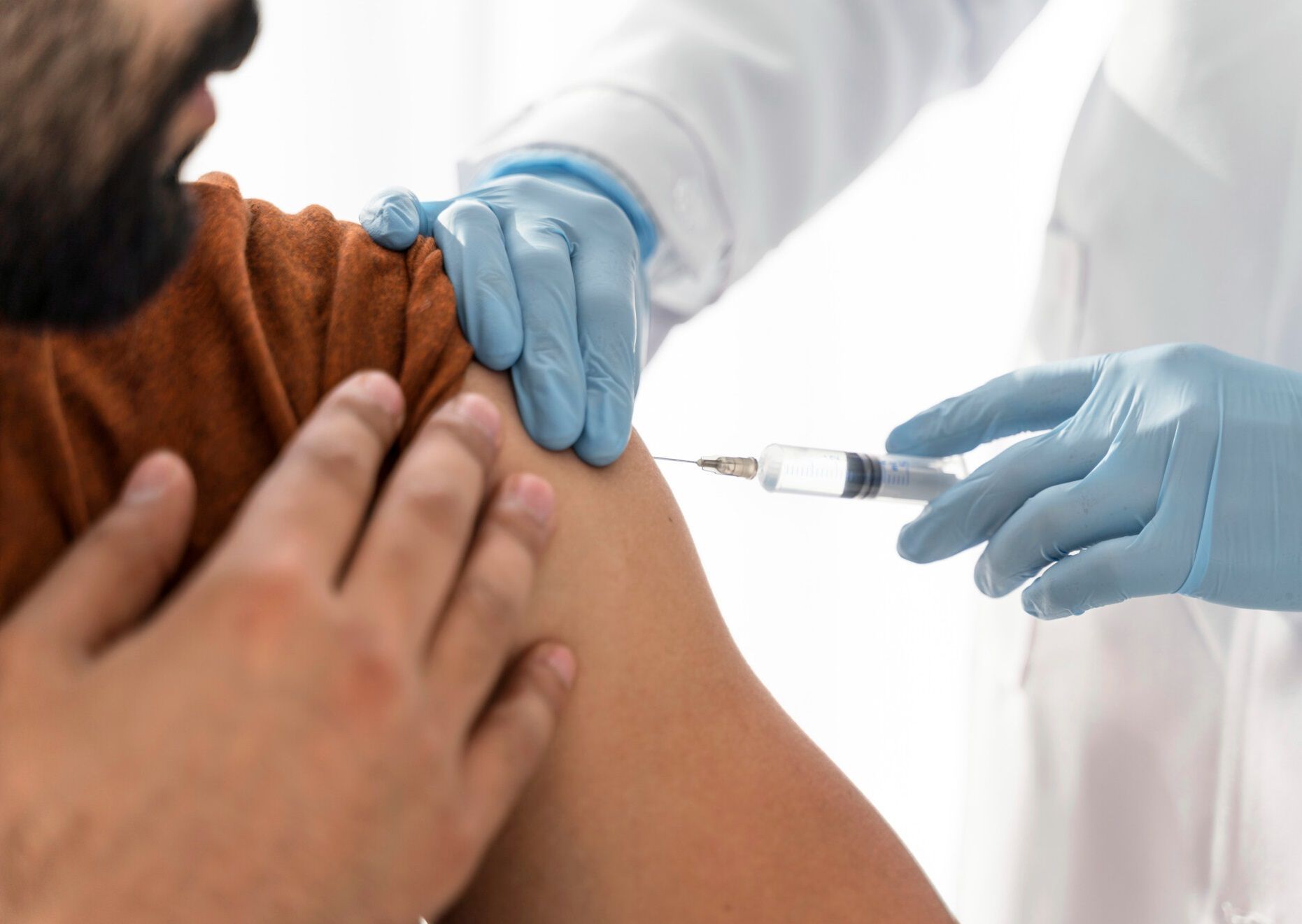
4) Testosterone replacement therapy (TRT)
TRT may be appropriate when symptoms are persistent and testosterone levels are consistently low, and when contraindications have been addressed. TRT is not a shortcut. It is a medical therapy that should be monitored with labs and follow-ups to manage safety markers like hematocrit, estradiol balance, lipids, and prostate-related monitoring when appropriate.
TRT options comparison table (injections, gels, pellets, patches)
| Option | Administration method | Dosing frequency | Pros | Cons | Who it may suit |
|---|---|---|---|---|---|
| Injections | Intramuscular or subcutaneous | Often 1 to 2 times weekly (individualized) | Flexible dosing, often cost-effective, measurable control | Requires comfort with injections and consistent schedule | Men who want adjustable dosing and close lab-driven fine-tuning |
| Gels or creams | Topical application | Daily | No needles, steady daily routine for some men | Transfer risk to others if not handled carefully, adherence matters | Men who prefer topical therapy and can maintain daily consistency |
| Pellets | Small implants placed by clinician | Every few months | Less frequent dosing decisions, long-acting convenience | Less flexible adjustments, minor procedure required | Men who want fewer routine dosing steps and stable long-acting delivery |
| Patches | Transdermal patch | Daily | Consistent delivery for some men | Skin irritation in some users, adherence required | Men who tolerate patches well and prefer a non-injection option |
6. How to determine the cause with comprehensive testing
Direct answer: Determining the cause of low testosterone requires a combination of medical history, symptom assessment, physical examination when appropriate, and a complete lab panel that evaluates testosterone levels, brain signaling hormones, and related health markers.
Step 1: Detailed history and symptom pattern
Key history points include sleep quality, stress levels, alcohol intake, recent weight changes, training volume, fertility goals, medication use, prior anabolic steroid use, head trauma, testicular injury, infections, and family history of endocrine disorders.
Step 2: Physical assessment and risk screening
A clinician may screen for blood pressure trends, waist circumference, signs of sleep apnea, and other risk factors that influence low testosterone causes and treatment decisions.
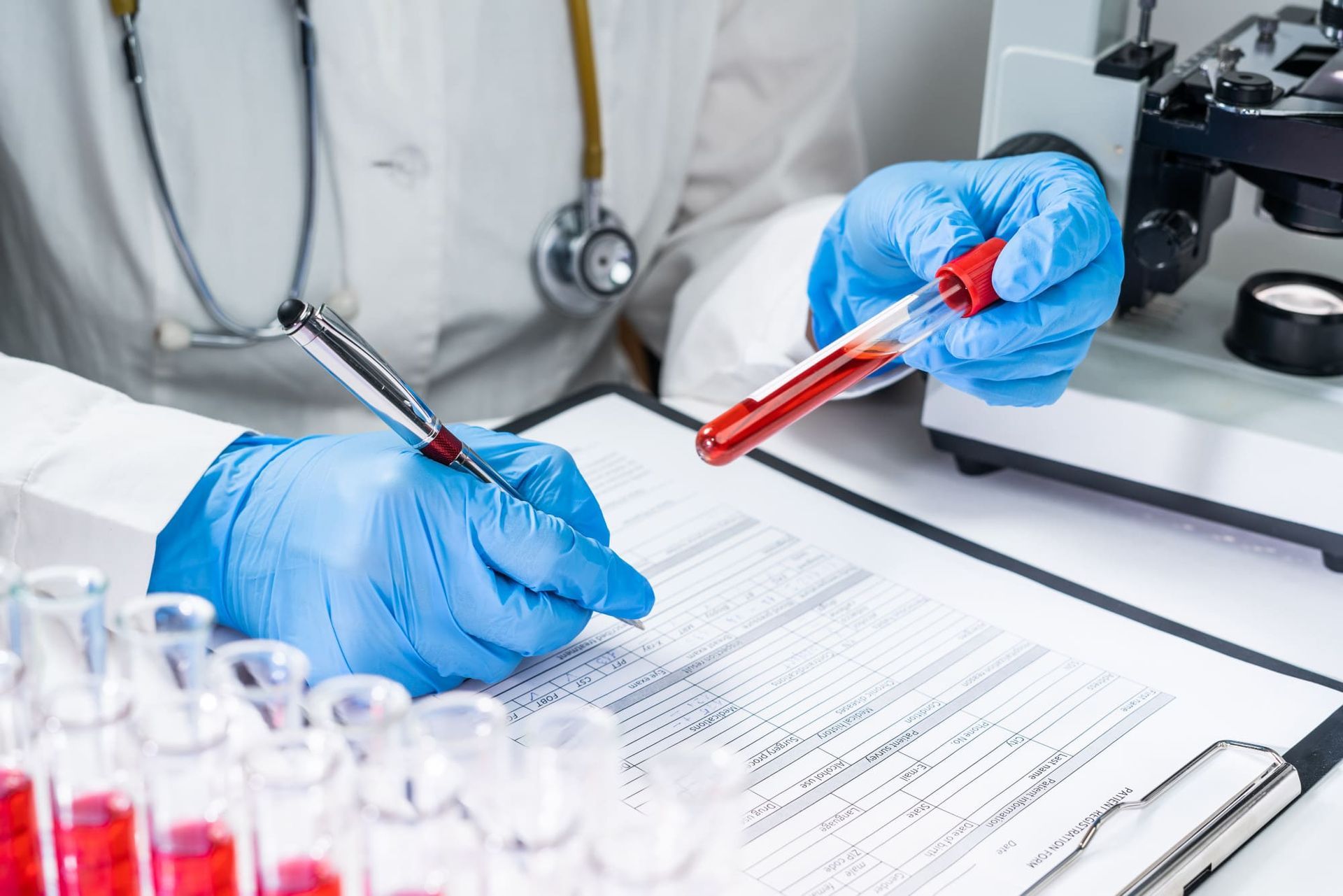
Step 3: Complete lab testing
Common lab testing for root cause analysis may include:
- Total testosterone (often measured on two morning tests)
- Free testosterone and SHBG
- LH and FSH (to distinguish primary vs secondary patterns)
- Prolactin (to screen for hyperprolactinemia)
- Estradiol (for baseline balance and symptom context)
- Thyroid panel (since thyroid dysfunction can mimic low T symptoms)
- Comprehensive metabolic panel and lipid panel (metabolic and cardiovascular context)
- CBC (baseline hematocrit and hemoglobin if TRT may be considered)
When labs are interpreted together, the pattern often becomes clearer. For example, low testosterone with elevated LH and FSH points toward primary hypogonadism, while low testosterone with low or normal LH and FSH suggests secondary hypogonadism and prompts a closer look at obesity, sleep, stress, medications, and pituitary factors.
7. How Tampa men can approach diagnosis and treatment at Pure Health & Hormone Center
Direct answer: The best approach is a personalized evaluation that identifies root causes, confirms diagnosis with proper testing, and matches treatment options to your goals and safety profile.
Pure Health & Hormone Center is a professional hormone therapy clinic in Tampa, FL focused on comprehensive evaluation of low testosterone, root cause analysis, and personalized treatment protocols, including bioidentical hormone replacement therapy and testosterone therapy when appropriate. For men who want to understand low testosterone causes rather than guessing, a structured evaluation helps answer key questions:
- Is your low T pattern primary, secondary, age-related, or a mix?
- Which lifestyle and metabolic factors are contributing most?
- Which treatment options fit your symptoms, labs, and long-term goals?
- How will progress and safety be monitored over time?
The goal is not only to improve symptoms, but to build a plan that supports long-term health. That often includes sleep and stress support, body composition strategies, metabolic risk management, and lab-guided follow-up if TRT is part of the plan.
FAQ: 15 common questions
What is the most common cause of low testosterone in men?
Often it is a combination of age-related decline plus lifestyle and metabolic factors, especially excess body fat, poor sleep, and insulin resistance.
Can low testosterone be caused by stress?
Yes. Chronic stress and elevated cortisol can suppress hormone signaling and worsen sleep, both of which can lower testosterone.
Does obesity cause low testosterone?
Obesity is strongly linked to lower testosterone through increased aromatization, inflammation, and disrupted hypothalamic and pituitary signaling.
What medical conditions cause low testosterone?
Common examples include type 2 diabetes, metabolic syndrome, obstructive sleep apnea, chronic kidney or liver disease, HIV/AIDS, and pituitary disorders.
Can medications cause low testosterone?
Yes. Opioids, anabolic steroids, some chemotherapy, and long-term corticosteroids can contribute to low testosterone or suppress signaling.
What is the difference between primary and secondary hypogonadism?
Primary hypogonadism is a testicular production problem. Secondary hypogonadism is a pituitary or hypothalamic signaling problem.
At what age does testosterone start declining?
Many sources cite a gradual decline starting around age 30, often estimated at 1% to 2% per year, with wide individual variation.
Can low testosterone be reversed naturally?
Sometimes. Weight loss, resistance training, sleep optimization, and stress management can improve testosterone, especially in secondary or lifestyle-driven cases.
What are the early signs of low testosterone?
Early signs often include fatigue, reduced libido, fewer morning erections, slower recovery, mood changes, and brain fog.
How do you know if you have low testosterone?
You need both symptoms and lab confirmation, usually with morning blood tests and a comprehensive evaluation of related hormones.
Can sleep apnea cause low testosterone?
Yes. Sleep apnea disrupts sleep quality and oxygenation, which can reduce testosterone and worsen fatigue and mood.
Does diabetes cause low testosterone?
Type 2 diabetes and insulin resistance are strongly associated with low testosterone and can contribute to secondary hypogonadism patterns.
What lifestyle changes help increase testosterone?
Weight loss when needed, strength training, consistent sleep, reduced alcohol intake, and stress management are key.
How does Pure Health & Hormone Center determine the cause of low testosterone?
Through a detailed history, symptom assessment, and comprehensive labs that include total and free testosterone, LH, FSH, prolactin, SHBG, estradiol, and metabolic testing.
What treatment options are available for low testosterone in Tampa?
Options can include lifestyle optimization, treating underlying conditions, medication review, and medically supervised TRT when appropriate, with ongoing lab monitoring.
Conclusion: treat the cause, not just the number
Low testosterone has many possible causes, from natural aging to medical conditions to lifestyle factors such as poor sleep, chronic stress, obesity, inactivity, and alcohol overuse. Because these drivers are different, the best treatment is not one-size-fits-all. Identifying whether your pattern is primary hypogonadism, secondary hypogonadism, or age-related decline is a key step, and comprehensive testing helps clarify the path forward. For many men, lifestyle and metabolic optimization can significantly improve symptoms and hormone markers. For others, testosterone therapy may be an appropriate option when combined with medical supervision and monitoring.
If you are in
Tampa or surrounding Florida areas and experiencing signs of low testosterone,
Pure Health & Hormone Center can help with expert diagnosis, thorough testing, and a customized plan that addresses both symptoms and root causes.
Schedule a consultation to get clear answers, understand your options, and choose a treatment strategy built for long-term health.
Medical disclaimer: This article is for educational purposes and is not medical advice. Diagnosis and treatment decisions should be made with a qualified healthcare professional.